
"The central characteristic of the Romanian cuisine is its great variety.
It is a cuisine influenced by repeated waves of different cultures:
the ancient Greeks, with whom Romanians traded;
the Romans, who gave the country its name;
the Saxons, who settled in southern Transylvania;
the Turks, who for centuries dominated Romania;
as well as Slavic and Magyar neighbors.
All of these influences gradually blended into the varied and delicious Romanian culinary tradition".
(Nicolae Klepper — Taste of Romania).
Cuisine of Romania
Romanians love meat and grilled or spit-roasted piglet, chicken or lamb are in great demand,
served with potatoes or cabbage.
The main ingredients used for preparation of Romanian dishes include:
Animal products:
pork meat, chicken, pork, chicken and beef liver, bacon, pork lard,
beef tripe, eggs, freshwater fish, cottage cheese, sour cream, white brined cheese.
Legumes and vegetables:
potato, cabbage, carrot, white beans, tomato, onion, green peppers, wheat flour, corn meal, mushrooms.
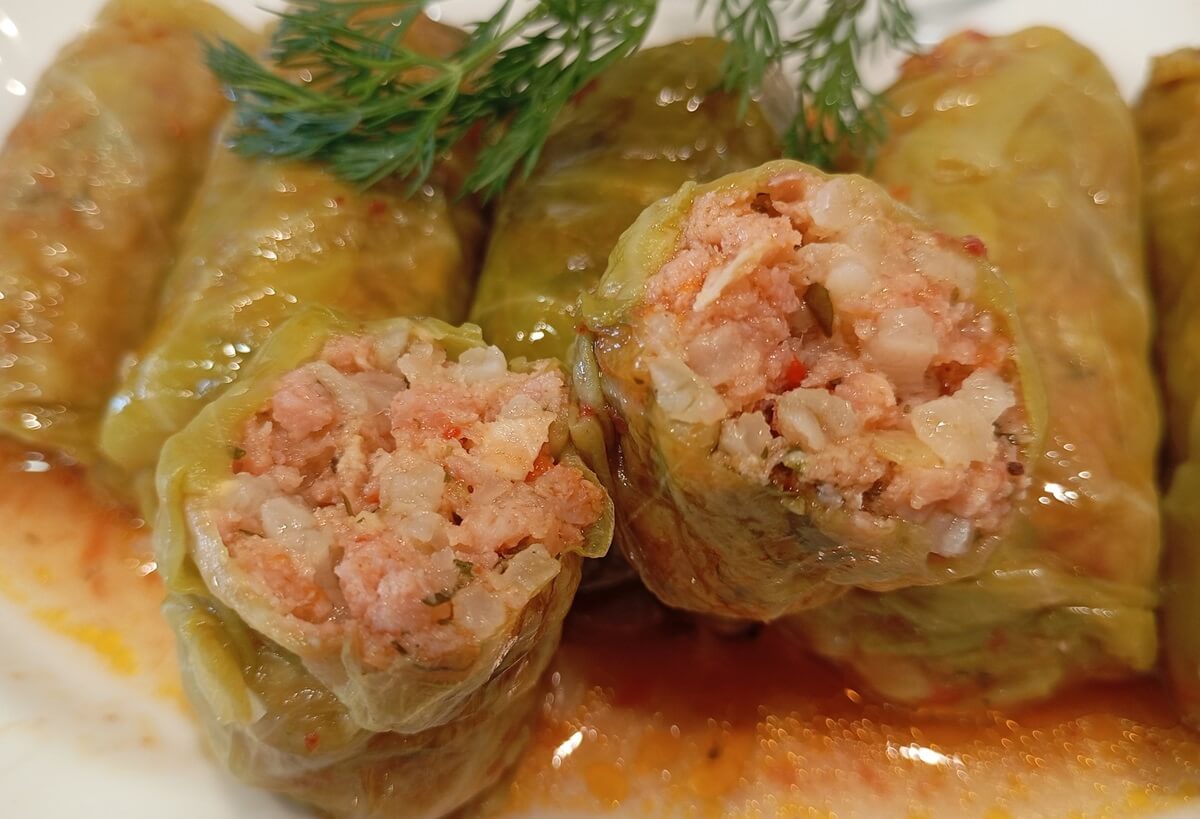
Cabbages are usually stewed, baked or stuffed, often accompanied by meat (usually slow-roasted ham hock or grilled pork chop). However, at Lent and during the warm season, cabbage is sautéed with fresh tomatoes, peppers, dill and a splash of borș or stuffed with rice or mushrooms. Fresh cabbage and sauerkraut are also a popular pies and flatbreads filling. Cabbage leaves (fresh or pickled) are used to prepare one of the most populat holiday dishes: sarmale cabbage rolls - stuffed with minced pork and rice or just rice or mushrooms, at lent. and served with polenta, sour cream and a pickled chilli.
Spices and aromatic herb:
parsley, dill, lovage, thyme, sweet paprika, black pepper, garlic, fermented wheat juice – borș.
In Transylvania, tarragon is added to flavor soups and stews.
Borș is a natural probiotic and an efficient hangover remedy.
Sour soups flavoured with fermented wheat bran juice and - sometimes - with lovage leaves are generically called Borș (borsch).
A traditional Romanian meal includes:
Appetizer
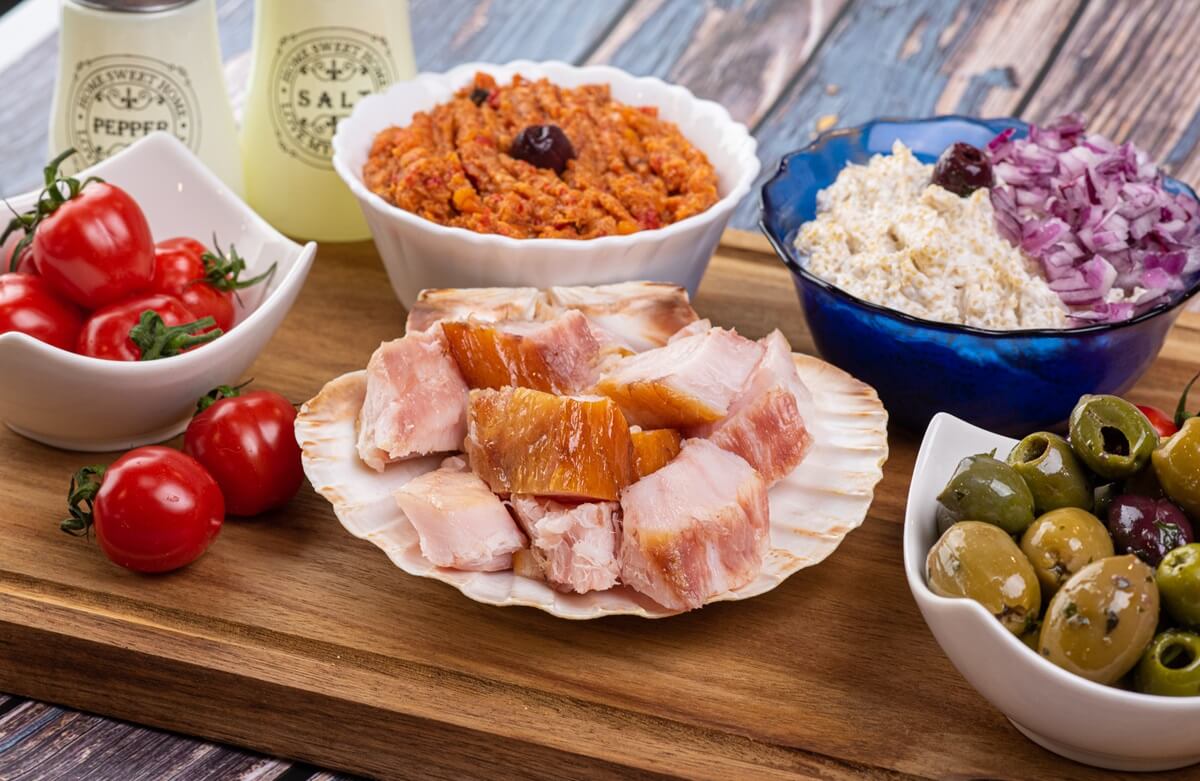
Local cheeses such as Telemea (brined white cheese) and Cașcaval (semi-hard, yellow cheese)
cold cuts, smoked sausage and meats,
zacusca de legume (tasty spread obtained from eight vegetables) or salata de vinete (roasted eggplant dip)
salata de icre (fish roe dip), smoked fish and potato salad or zacusca de peste (fish and vegetable spread).
Traditional Holiday appetizers:
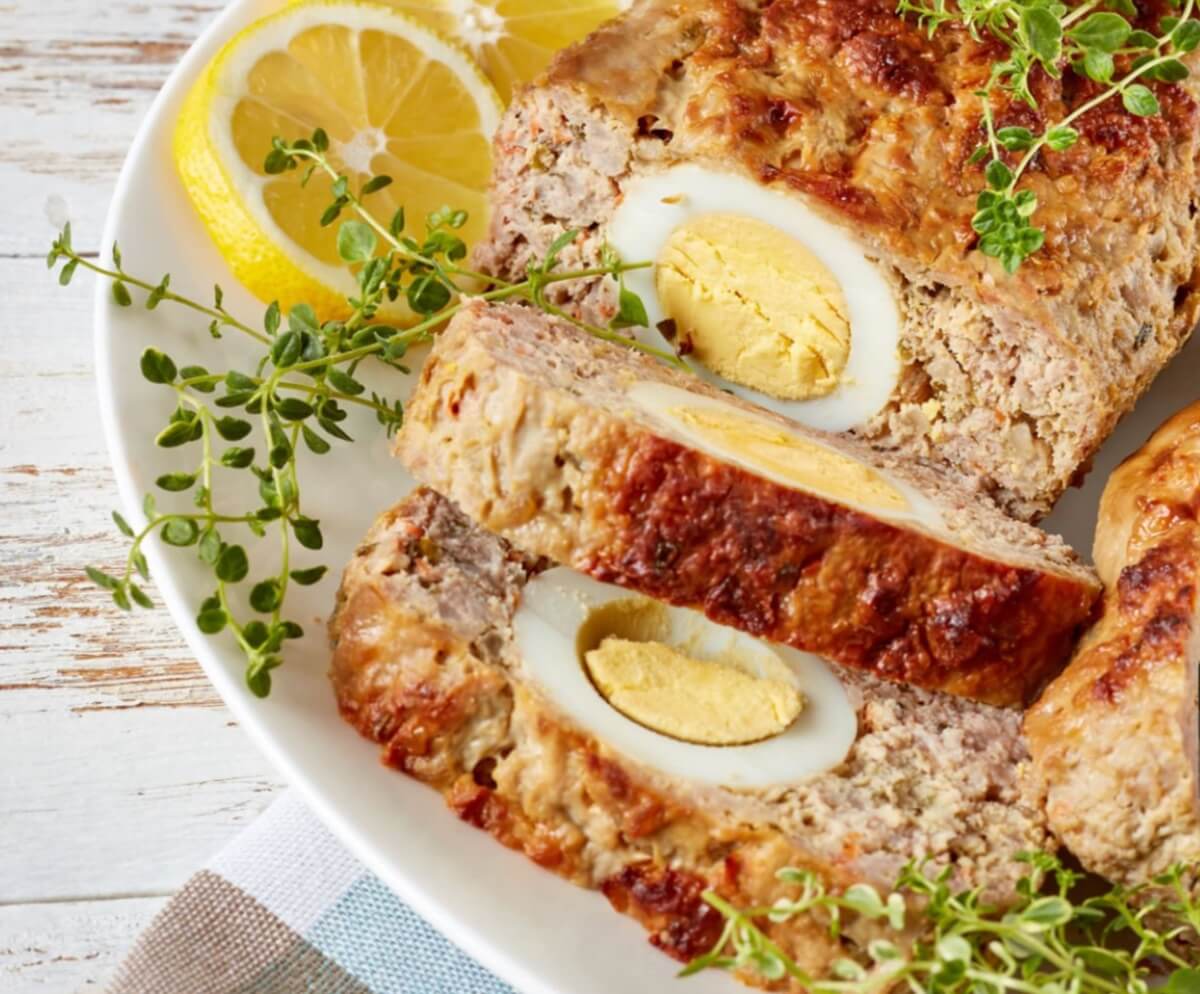
at Easter: lamb haggis drob de miel (prepared with lamb offal, eggs, fresh garlic and herbs).
at Christmas: caltabosi (a loaf prepared from pork offals and meat and cooked in pork intestines),
tobă de porc (pig trotter, tongue, heart, kidney, pork belly are cooked/boiled,
chopped, sealed in a pork bladder and slightly smoked)
and
piftie de porc (pork feet, bones, tail, ears, snout pork are slowly cooked with garlic and spices.
The meat is pulled/chopped, placed in bowls and the broth is poured over.
When cold the broth solidifies and forms tasty meat jelly).
Soup
"Supa de pui cu taitei de casa" (chicked soup with home-made noodles or semolina dumplings),
"Ciorbă de perişoare" (meatball soup),
"Ciorbă ţărănească" (vegetable soup, with or without meat),
"Ciorbă de burtă" (tripe soup) - a popular hangover helper.
Traditional Holiday Soups include:
at Easter: Borș de miel (a hearty lamb sour-soup prepared with spring onions and wet garlic).
on the first day of the new year: Ciorbă de potroace (turkey giblets and wings soup soured with Borș or sauerkraut juice).
Fish
"Saramură " (grilled carp in brine),
"Nisetru la Grătar " (grilled Black Sea sturgeon) or
"Scrumbie de Dunare la Grătar" (grilled Danube river mackerel).
Entree
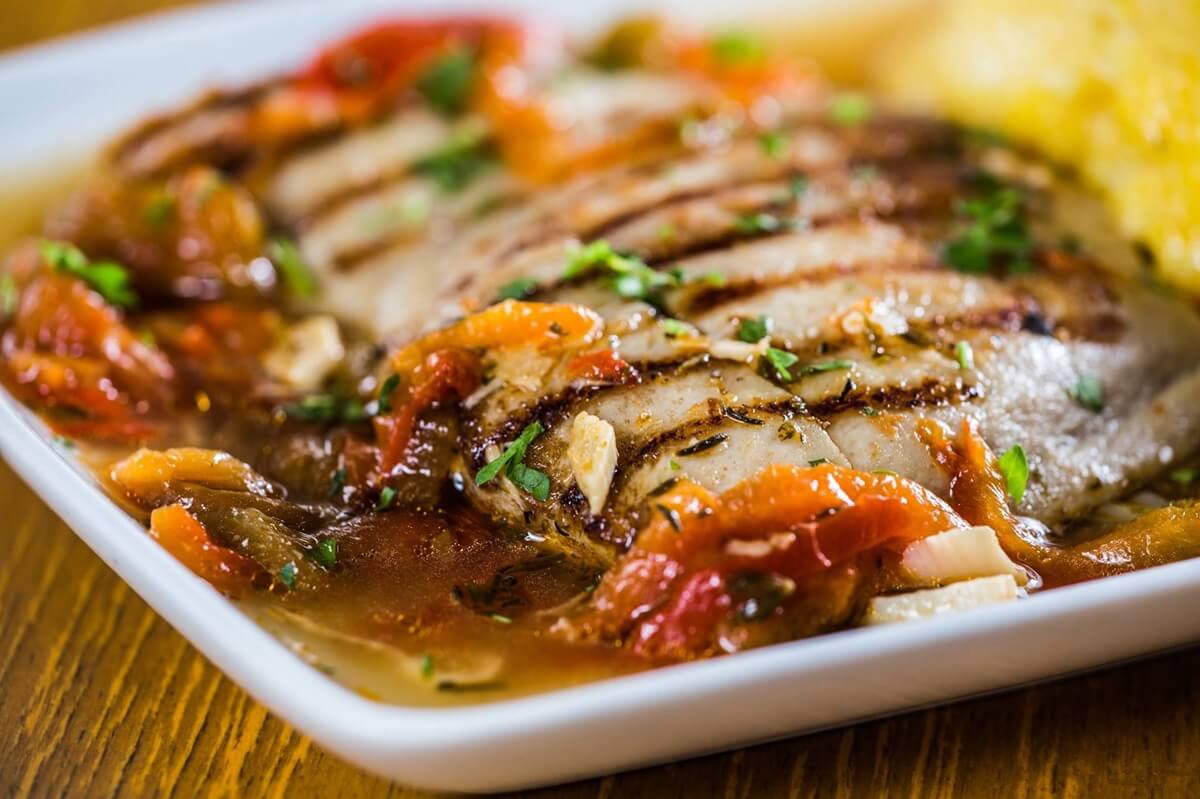
"Tocaniţă " or "Tochitură " (meat stew seasoned with onions, carrot and spices),
"Ghiveci " (fresh vegetables cooked with sunflower oil or tomato paste),
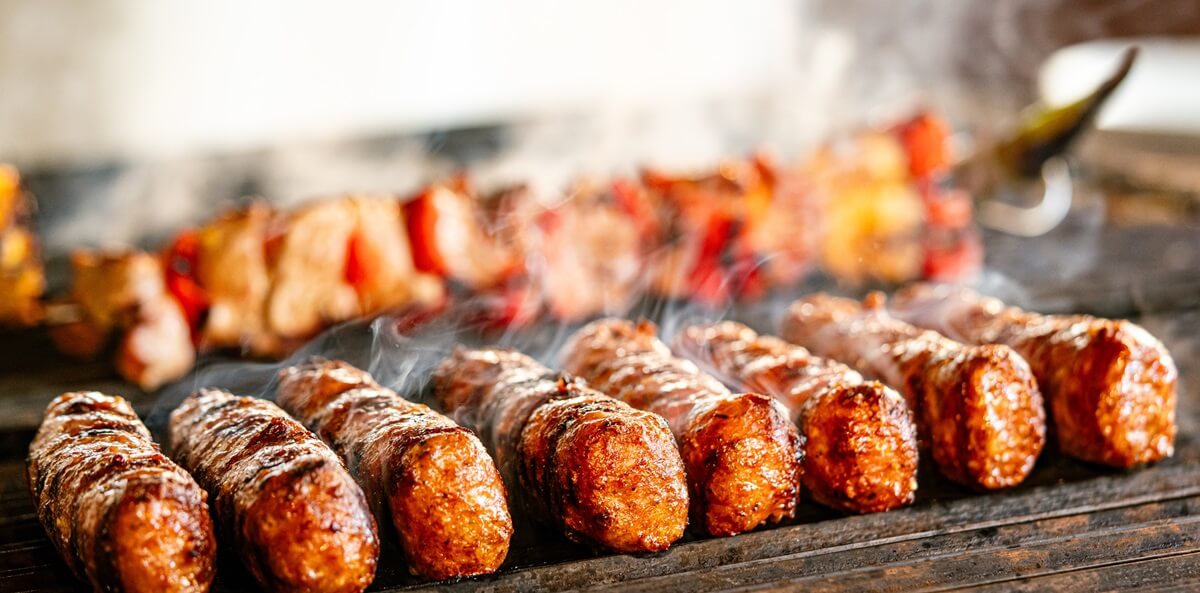
"Mititei " (The "Wee Ones" - grilled, small skinless sausage - traditionally made from beef or beef and mouton)
are among the favorites.
Traditional Holiday Entree:
at Easter: Friptura de miel (roasted leg of lamb with green garlic and scallions)
at Christmas: "Sarmale " (pickled cabbage leaves stuffed with a mix of minced meat, rice and spices)
Dessert
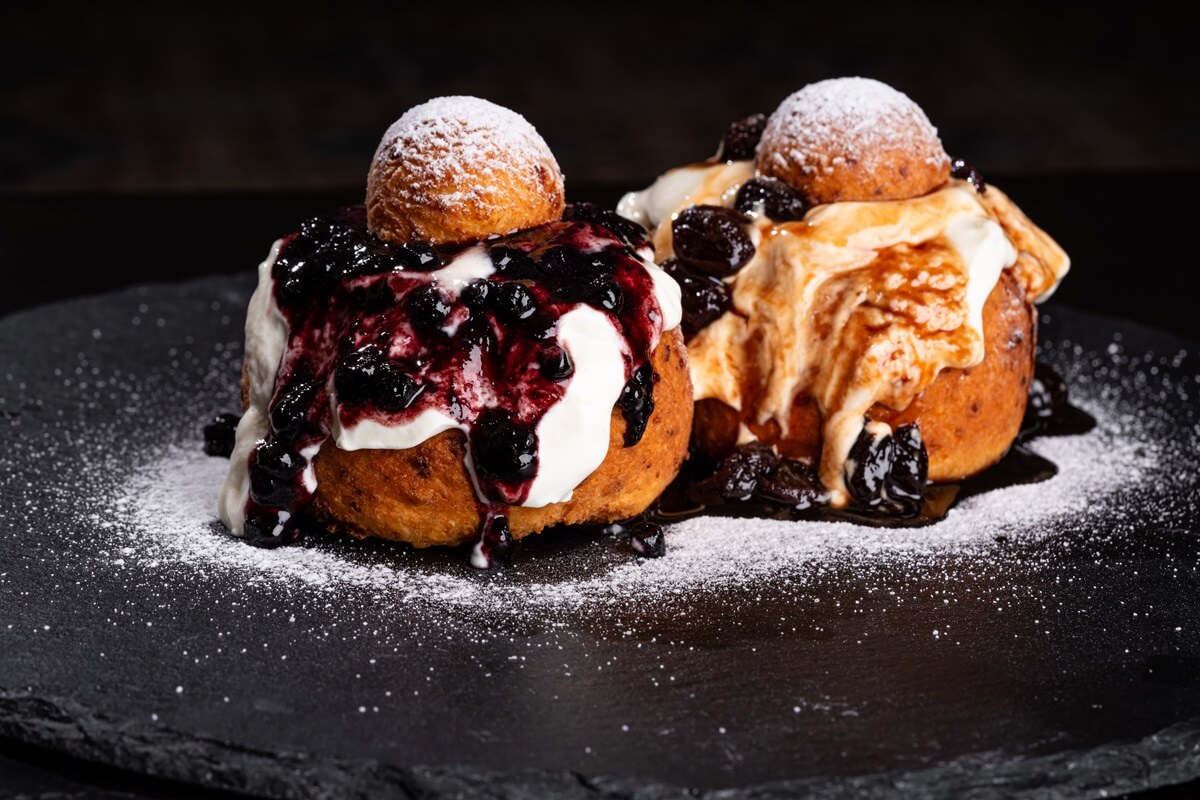
"Papanaşi " (cottage cheese donuts, fried then topped with sour cream and fruit preserve),
"Clătite cu brânză " (crepes filled with farmer's cheese and raisins)
Traditional Holiday Desserts:
at Easter: "Pasca" - farmers cheese sweer bread,
at Christmas: "Cozonac " (traditional holiday sweet bread, folded in layers of walnuts and raisins or poppy seeds),
at New Year's dinner: home-made Tort de Ciocolata (chocolate tart).
...
Each of Romania's eight main regions |
has unique dishes that reflect their local resources and cultural influences.
When visiting Transylvania do not miss
local restaurants
that feature traditional hearty dishes.
The region of Walachia is the birthplace of the popular
Mititei
(Mici for short) - tasty skinless sausages originally prepared from beef neck.
Nowadays pork, mouton or even game meat are used to prepare the popular dish.
When exploring the Danube Delta or the Black Sea coast no dinner will be complete without
Danube river or Black Sea fish.
...
Bucharest Traditional Restaurants
Bucharest – Romania's capital city – is changing at a fast pace and its dining scene is evolving, too. However, traditional cuisine is still well-represented. Restaurants such as Lacrimi si Sfinti, Locanta Jaristea and Zexe are offering dishes that reflect the culinary traditions of Romania's capital city.
Zexe
Where: north Bucharest, walking distance from Museum of the Romanian Peasant
and Regele Mihai (Herastrau) Park.
Address: Bd. Aviatorilor 40
Telephone: (+4) 0732 232.424
Menu
Service: contemporary casual
Zexe restaurant goes beyond common,popular, dishes:
Zacusca, Mititei, Ciorba de Burta, Sarmale or Papanasi
and offers a taste of Romania's gastronomy of the 1920's and 1930's.
Zexe is the phonetic perception of the German numeral SECHS, meaning six.
Used as a slang term in the Bucharest underworld during the inter-war period,
"Zexe" was meant to suddenly interrupt a conversation,
on 'sensitive' topics, a newcomer showed-up.
What to expect at Zexe?
Tasty, uncommon, Romanian dishes, prepared according to little-known or
long forgotten recipes.
Dishes worth trying at Zexe:
Appetizer:
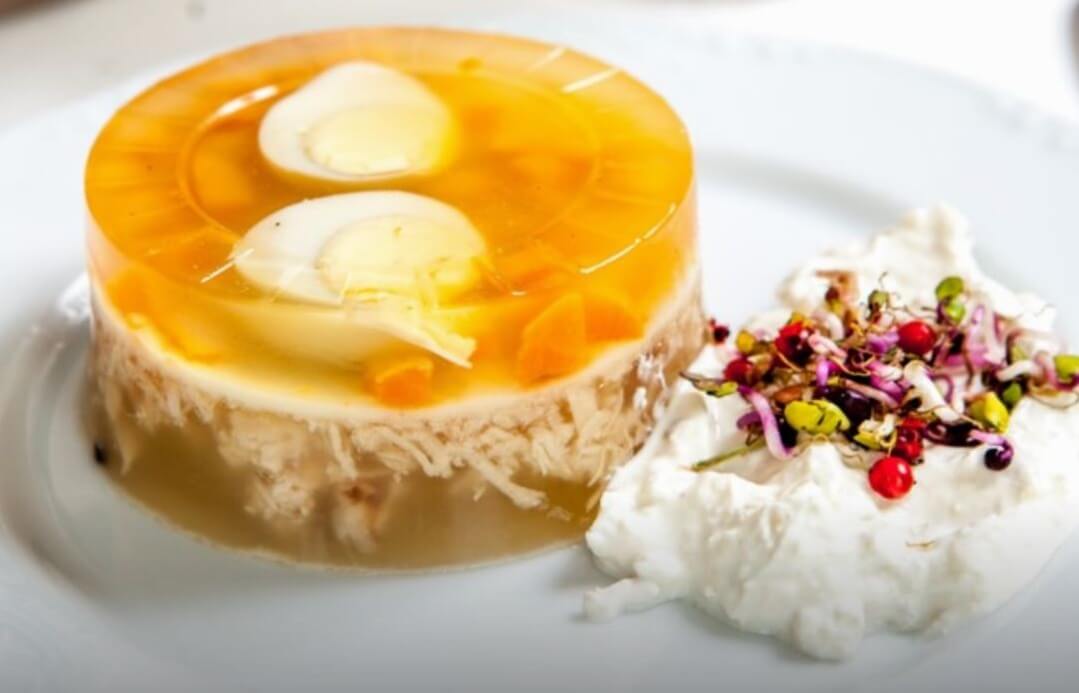
Turkey jelly with quail egg,
Tuslama - beef tripe and beef trimmings casserole,
Catfish greaves.
Soup:
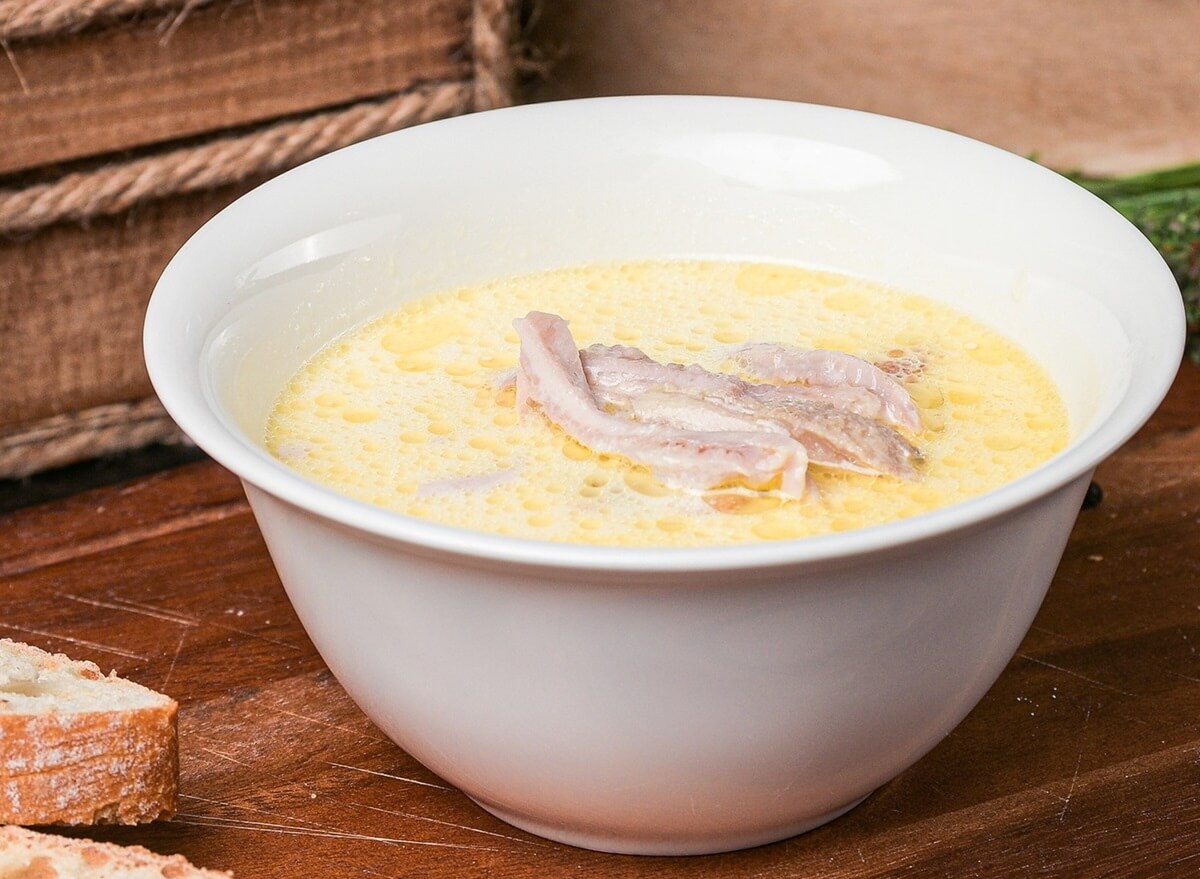
Goat sour soup, flavored with tarragon,
Chicken giblets sour soup,
Beef tripe sour soup
Main:
Saramura de Carp - grilled carp in salty vegetables sauce,
Black Sea turbot (calcan), grilled or fried,
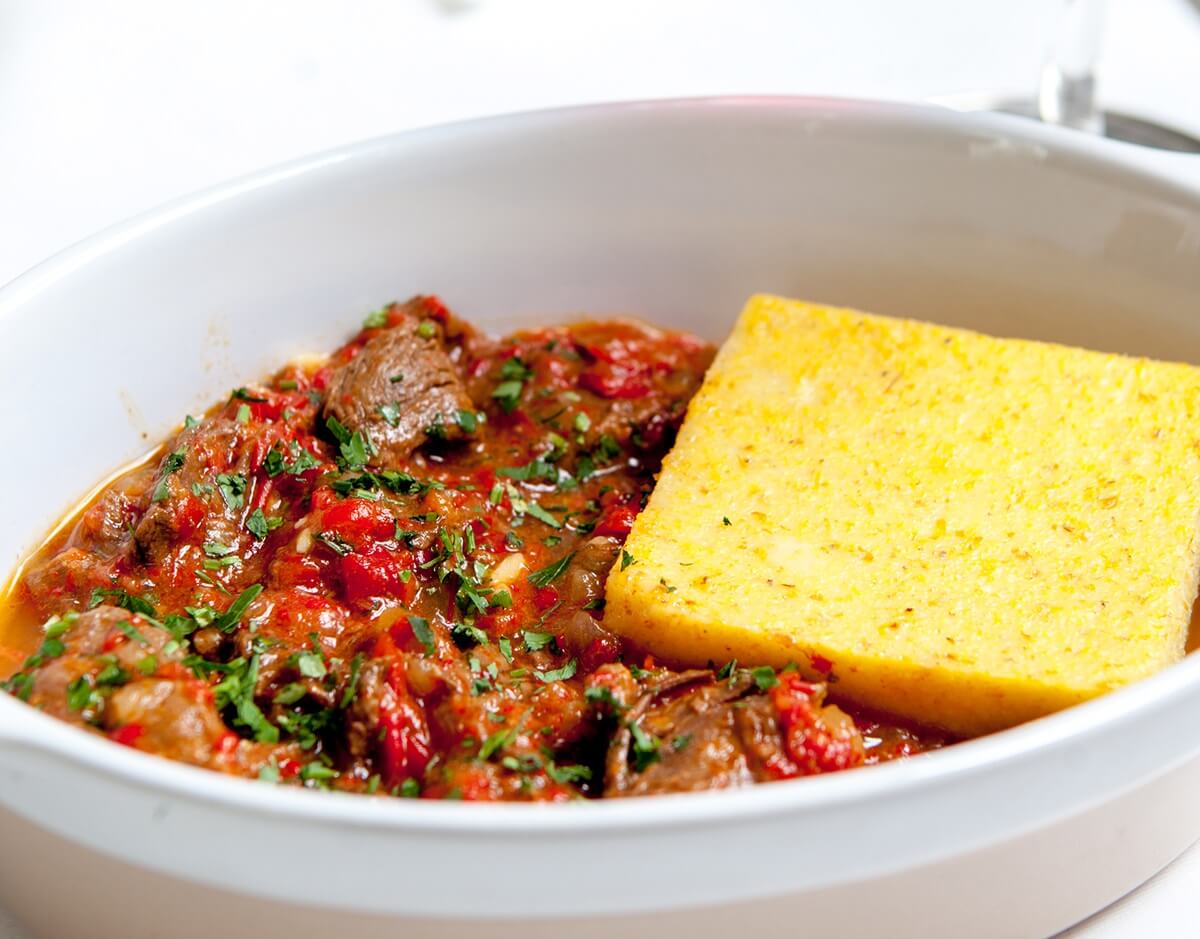
Calf stew, served with polenta,
Patricieni - thin, home-made beef and pork sausage in natural casing,
Marinated zucchini balls with basil mashed-potatoes.
Dessert:
Zexe is, arguably, the only restaurant in Romania that offers
desserts
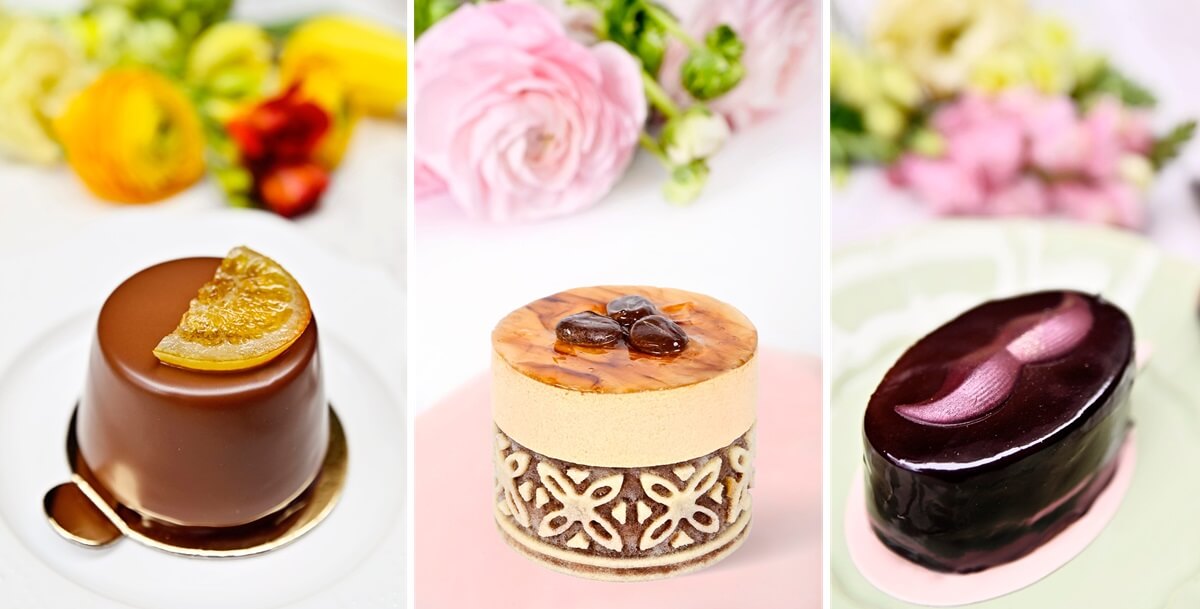
created by Bucharest confiseurs in the early 1900s:
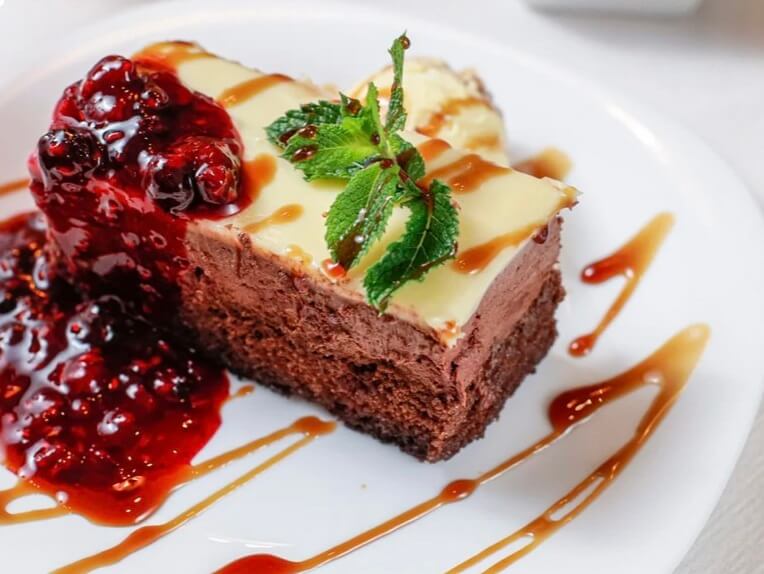
George Enescu - dark chocolate cream, candied orange, dense cocoa cake soaked in Grand Marnier,
Carmen Sylva - chocolate cream, coffee cream, amaretto, and almond cake,
Take Ionescu - pistachio cream, chocolate cream, almond and cocoa cake.
...
Hanul Berarilor Casa Oprea Soare
Where: Bucharest city centre, short walk to Old Town, the Palace of Parliament and Government office buildings.
Address: Strada Poenaru Bordea 2,
Telephone: (+4) 0729 400.800
Menu
Service: contemporary casual
Hanul Berarilor Casa ‘Oprea Soare’ restaurant is housed in the former residence
of one of Bucharest's wealthiest merchants: Dumitru Oprea Soare.
Built in 1914, this Neo-Romanian style structure, featuring Moorish and Oriental elements and a beautiful garden,
Casa Soare is reminiscent of old boyar houses.
Most of the original decor, fireplaces, and furniture have been nicely restored.
Dishes worth trying at Casa Oprea Soare:
Appetizer:
Fasole bătută cu trufe - Truffle mashed white beans,
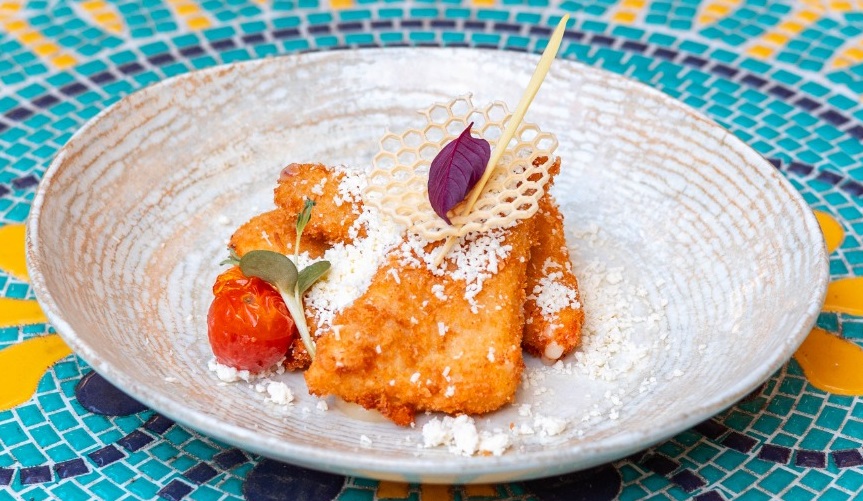
Cascaval Pane - fried, semi-hard, yellow cheese (kashkaval),
Gustare vegetariana - A trio of vegetable spreads (zacusca - assorted vegetables, grilled eggplant spread, mashed beans).
Soup:
Country-style pork soup, with sauerkraut juice (zeama de varza),
Duck Borscht,
White beans and smoked shank sour soup.
Main:
Saramura de Carp - grilled carp in salty vegetables sauce, served with polenta,
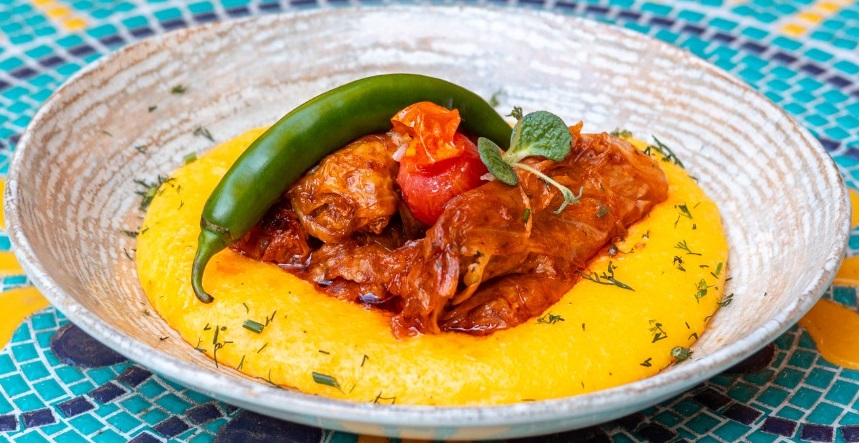
Sarmale cu mamaliga - stuffes sour cabbage rolls,
Carne la Garniță - Pork Confit, served with polenta and diced sauerkraut,
Dessert:
Papanași - farmers cheese doughnuts, fried aand topped with sourcream and berry preserve,
Home-made apple pie,
Joffre - a dessert created by Bucharest confectioner Grigore Capșa, in 1920,
to honor French Marshal Joseph Jacques Césaire Joffre visit to Bucharest. (cocoa biscuits, langues de chat cookies,
chocolate ganache with rum, chocolate glaze, chocolate mousse ganache).
...
Lacrimi si Sfinti
Where: Old Town Bucharest
Address: Str. Sepcari 16
Telephone: (+4) 0725 558.286
Menu
Service: contemporary casual
The name Lacrimi si Sfinti (Tears and Saints) is definitely misleading as
this restaurant offers many reasons to smile and not to cry ...
The designer created a rustic yet sophisticated interior
by using materials and objects salvaged from abandoned houses, a village store and a few old barns.
The traditional furniture adds coziness, and a homely feel, to the dining rooms.
Many of the dishes, at Lacrimi si Sfinti
are prepared acording to the restaurant's list of 'endangered Romanian recipes'.
Hundreds-year-old recipes have been 'restored' and reinterpreted,
flavors have been rediscovered and recreated.
Many dishes have been renamed to remember the good old times:
Frivolous Danube Mackerel, Balkan Eggplant Spread, Long Way Salad,
Pick Me Up soup (sour soup with 'unnecessary' bits of goose, duck, turkey and rooster),
Sentimental Catfish, Old Fisherman's Brine,
Accorded Sausages (made from goose, veal and pork),
Noah Baked Beans (smoked goose and beans), Turkey Sentry, Good Weather Veal.
Dishes worth trying at Lacrimi si Sfinti:
Appetizer:
White bean spread, topped with caramelised onions,
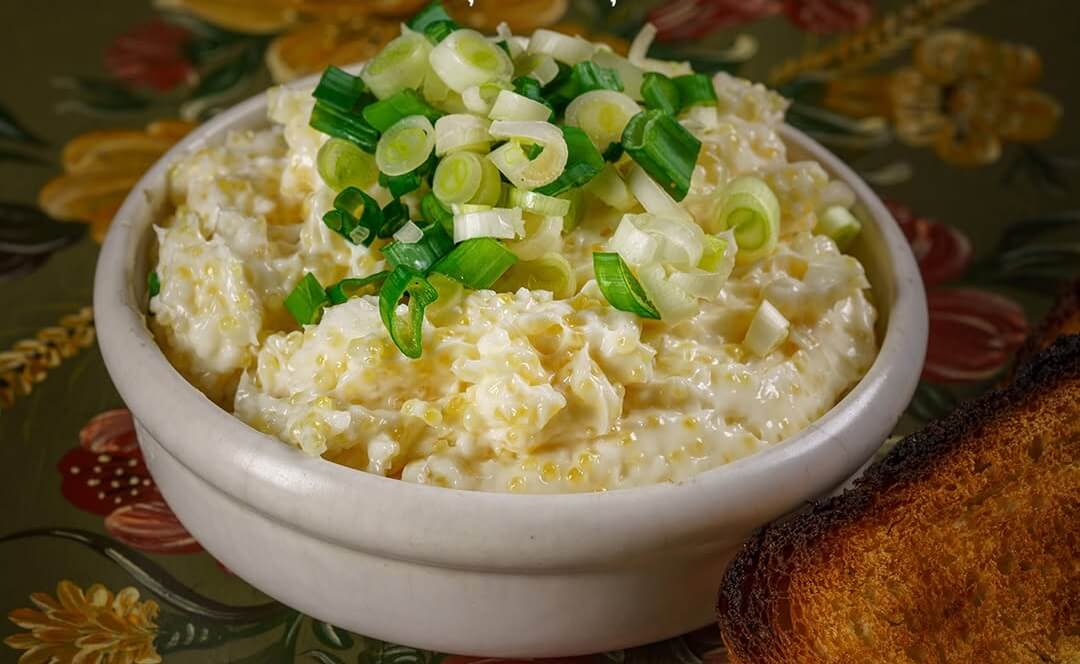
Pike roe spread, served with toasted home-made bread and fresh scallions.
Soup:
Cream of Transylvanian Porcini mushrooms, with leeks and yellow squash,
Danube river catfish, carp and roach soup,
Chicken offal soup, flavored with fermented wheat bran juice and lovage
(Pick-me-up Soup).
Main:
"Forget me not" - goose and beef meat Sarmale, cooked in Sauvignon Blanc wine.
Cabbage rolls filled with minced goose and beef and spices,
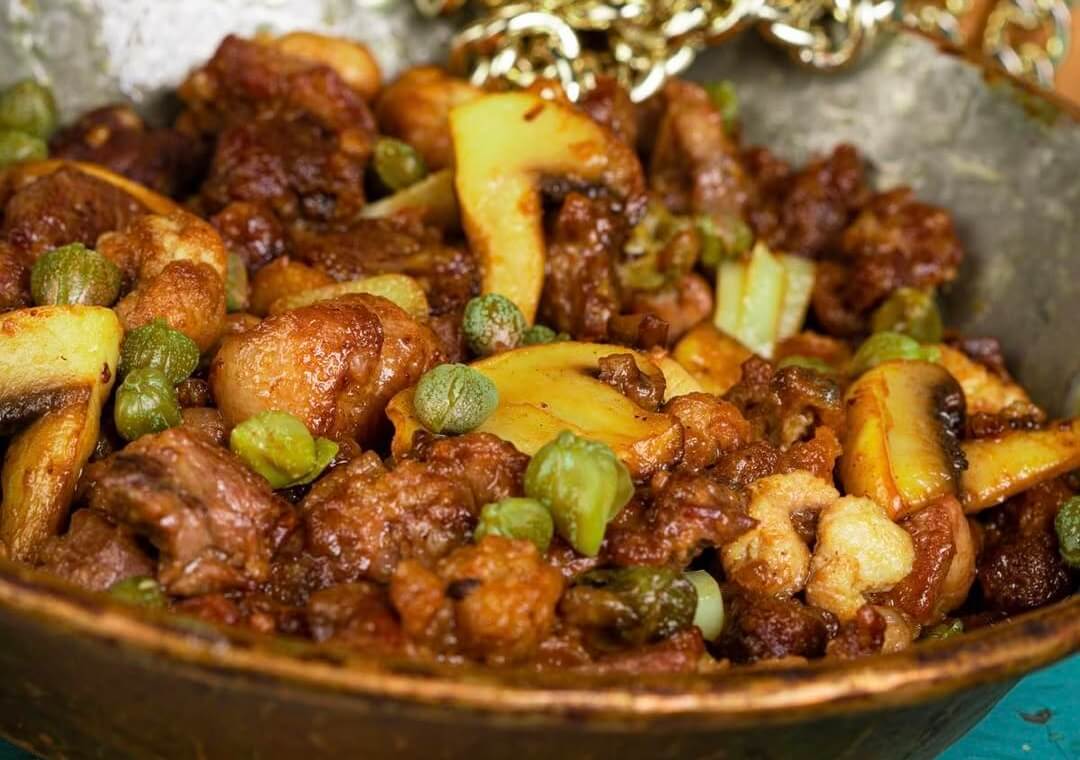
The "Vice Squad" - fried fan-shaped hip muscle (obturator internus) and Mountain Oysters,
served with orange and capers sauce,
Home-made mutton Pastrami, grilled and served with polenta,
"May God Help Us" - Parjoale, mix of minced goose and pork,
potato, carot, onion, garlic, milk-soaked bread, parsley and lots of dill,
fried and served with mashed potatoes, caper mayonnaise and/or horseradish cream,
"Well Tuned Sausages" - pork and veal sausage, served with sauteed sauerkraut and house mustard.
Dessert:
Home-made wallnut and poppy-sead rolls,
Şerbet (Sherbet) - very dense and gooey sweet fruit - or cocoa - paste,
served in a glass of ice cold water and mint.
...
Locanta Jaristea
Address: Str. George Georgescu 50 - 52
Telephone: (+4) 0721 961.936
Jaristea.ro
Locanta Jaristea offers good Romanian cuisine, an award-winning wine list,
and attentive service in a setting that recreates the atmosphere of Bucharest on the 1930's,
when the city was nicknamed The Little Paris.
Traditional Romanian specialties include chicken meatball soup, Zacusca (eight-vegetable spread),
smoked cheese and bacon roulade, duck leg with cabbage, duck breast with Ratatouille, Sarmale (cabbage rolls),
Grilled Carp in Brine, leeks and black olives stew.
...
Eternal Terrain - Unique Transylvania Dishes
A Saveur magazine article by Alexander Lobrano
Just North of Bucharest, I left this century behind, and an hour later, the last one fell by the wayside, too.
As I slowed the car to turn onto a dusty country road, a farmer in blue serge overalls stopped pitch-forking
freshly scythed hay just long enough to give a wave,
and the honeyed scent of linden flowers wafted in through the open car windows.
I'd first glimpsed Transylvania through the window of a train traveling from Istanbul to Prague a decade earlier.
What I'd seen then — a fascinating medieval landscape of deep forests, small, tidy farms,
and fortified hilltop villages—made me want to be there,
to walk its fields, to taste its food.
But I knew next to nothing about the region
(apart from the inevitable associations with Bram Stoker's fictional Count)
until I started coming across articles in the London papers
about agro-tourism in post-Ceausescu Romania a few years ago.
Continue reading Saveur magazine article on Transylvania cuisine.
More about Transylvania cuisine and artisan foods.
...