Banat region gastronomy - an unique mix of simple ingredients and flavors
Banat Traditional Cuisine – A Blend of Cultures
The cuisine of the Banat region, rich in flavor and tradition,
is the result of a mosaic of cultural influences.
Local flavors have evolved gradually over time,
shaped, adapted, and passed down through generations of mothers and grandmothers.
Over the centuries, Banat has been a meeting point between East and West,
where Romanians, Serbs, Hungarians, Swabians, Czechs, Slovaks, Bulgarians, and other ethnic communities
have each contributed their own distinctive culinary traditions.
The result is a rich and diverse Banat cuisine that brings together simple, locally sourced ingredients,
with an emphasis on flavor, freshness, and traditional cooking methods.
Banat cuisine is characterized by rich, hearty, and flavorful dishes.
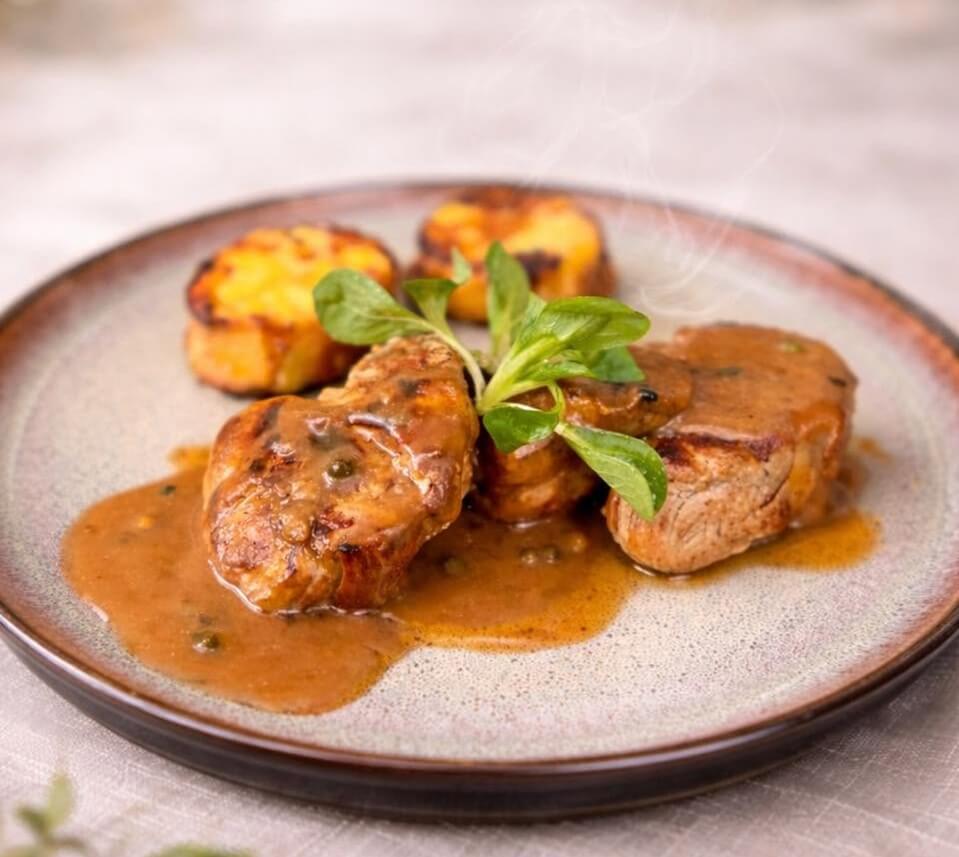
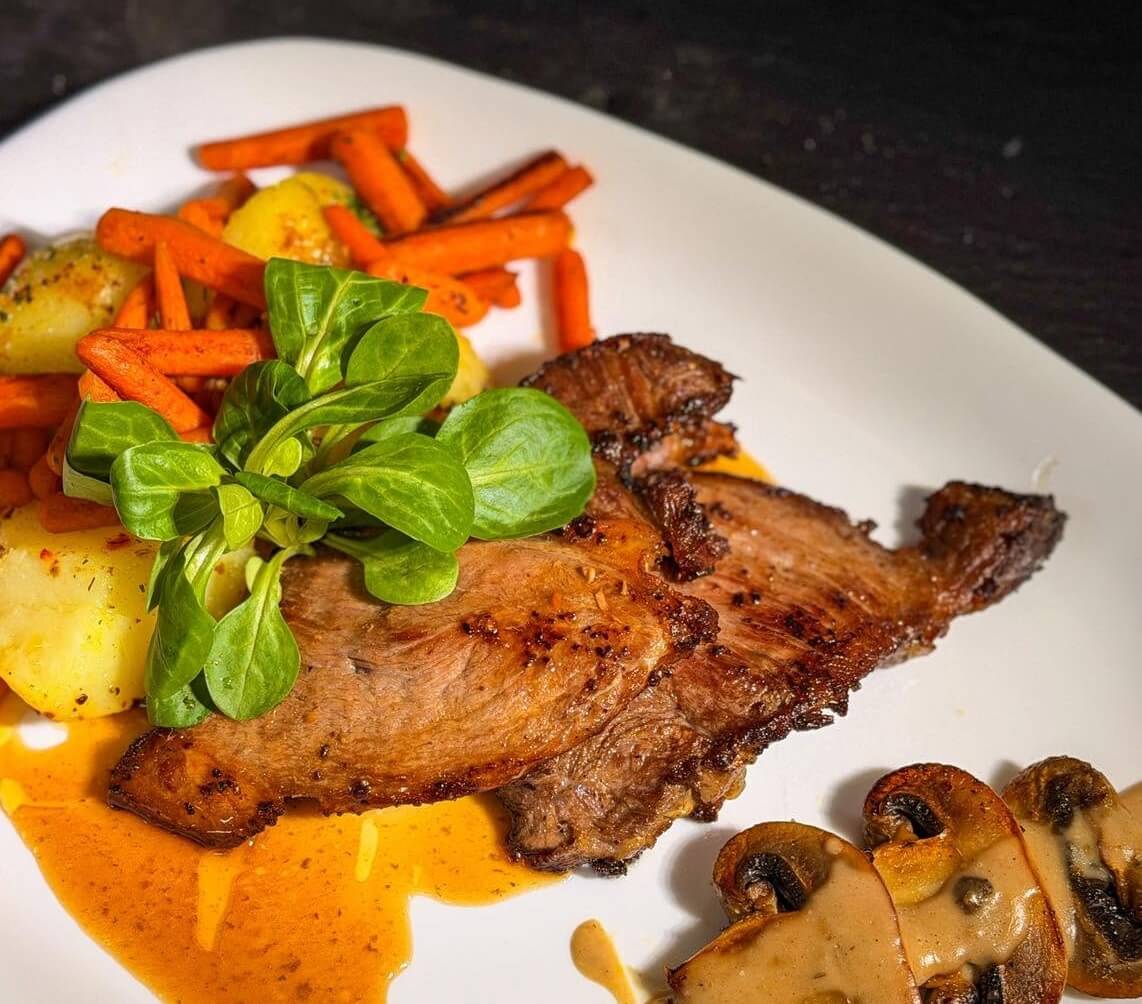
The most popular dishes are mostly made with pork, chicken, or beef,
along with vegetables sautéed in lard or oil,
and sauces seasoned with pepper, thyme, paprika, or cumin.
Home-made noodles, made from eggs and flour, are frequently used, not just in soups;
they’re also used to make appetizers (i.e Iofca) as well as many desserts.
Smoked pork meat, sausages, bacon, and ribs meat are a staple, especially during the cold season.
During spring, wild garlic, spinach, sorrel, nettle, shepherd’s purse, lambsquarters (pitseed goosefoot)
are often used in soups, stews, dumplings, and salads.
Salt, pepper, fresh thyme, cumin and savory are commonly used in Banat region cuisine.
Paprika or fried onions are used less frequently than in the region of Transylvania.
One of the most interesting features of Banat cuisine
is the combination of sweet and savory dishes on the same plate.
The sauces specific to the cuisine of Banat are called 'paradaisa' (local name for tomato);
they are usually sweetened with honey or sugar.
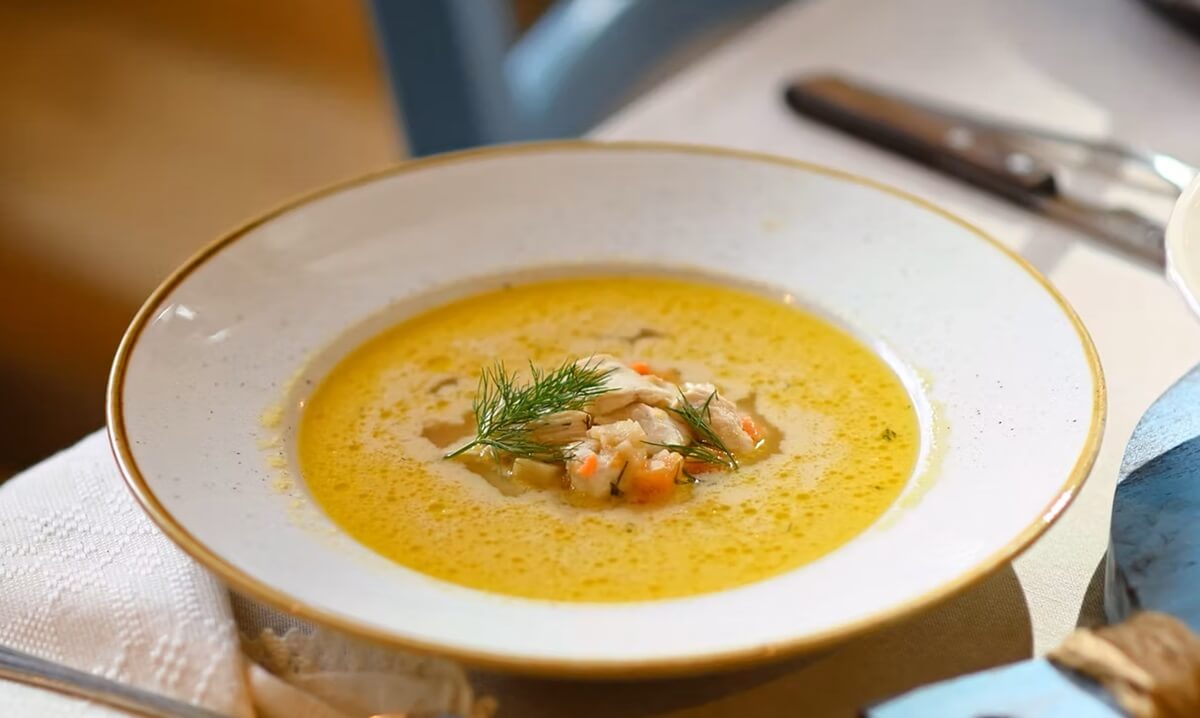
Soups are seasoned with lemon, enriched with sour cream or roux, and flavored with tarragon.
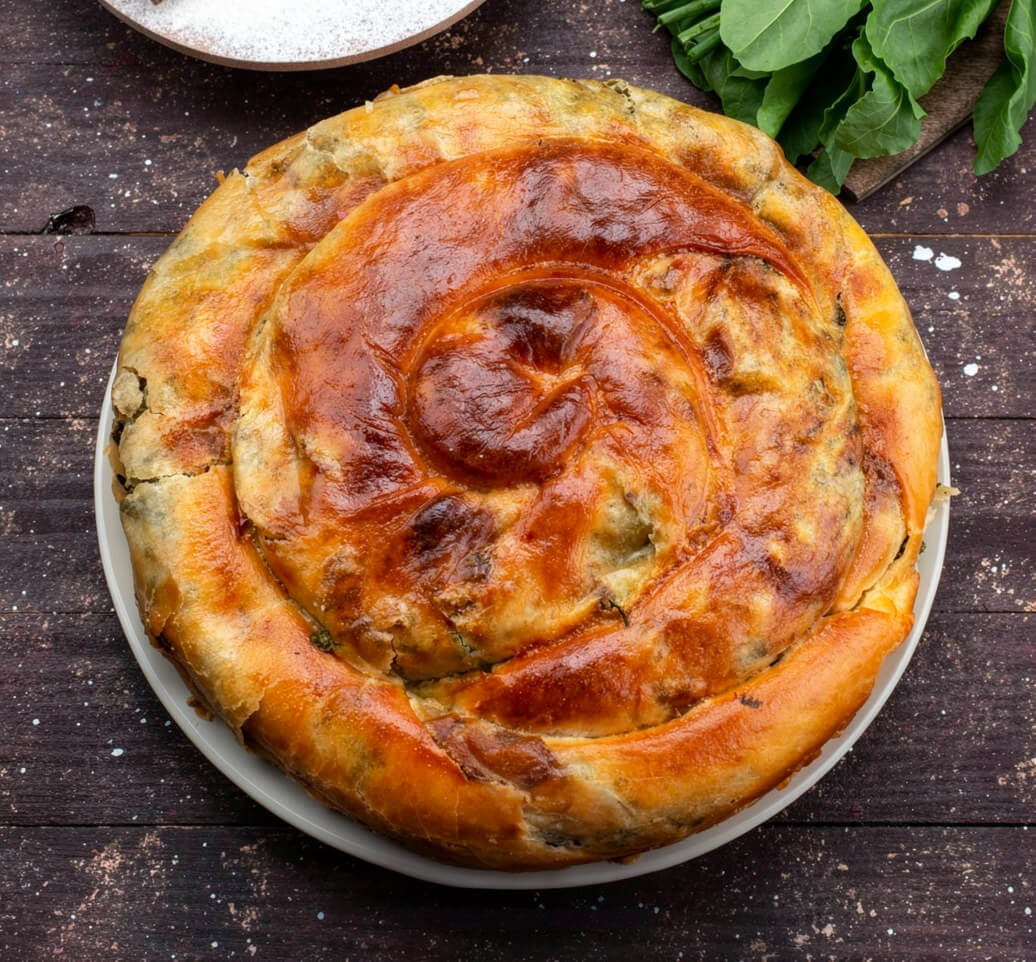
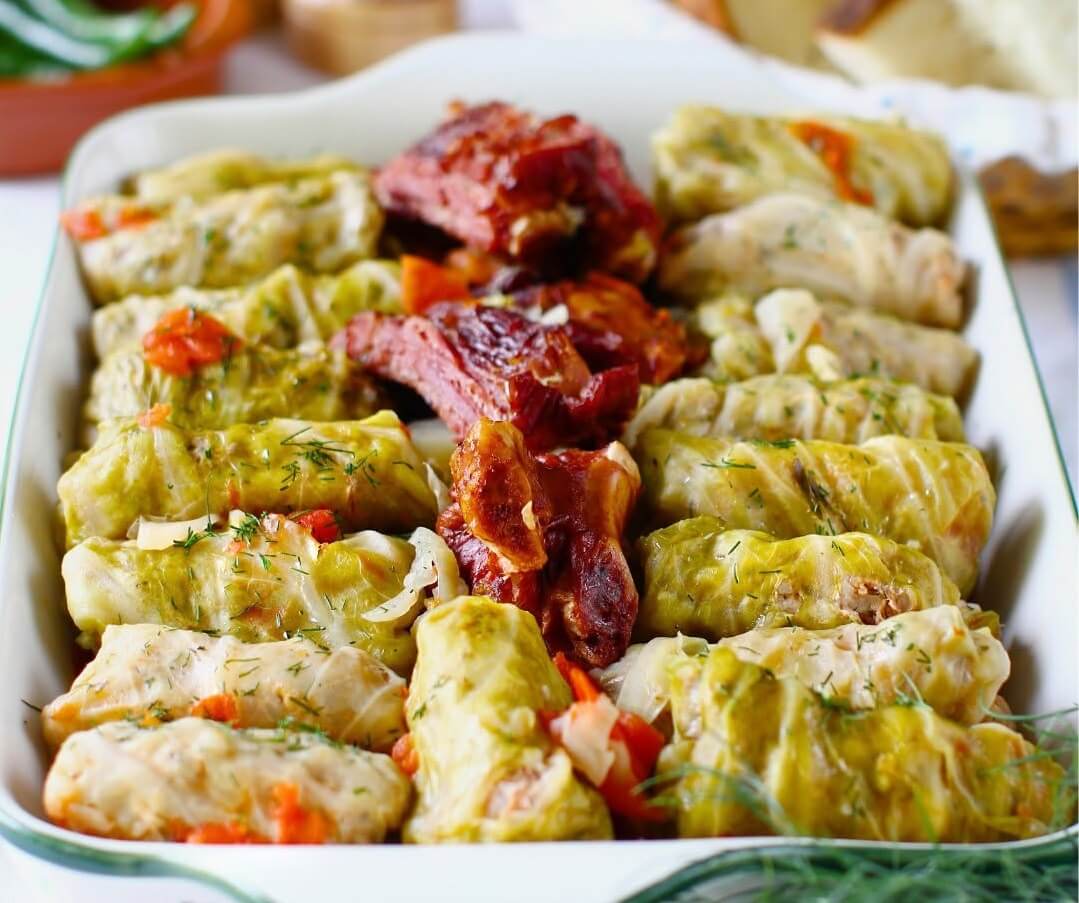
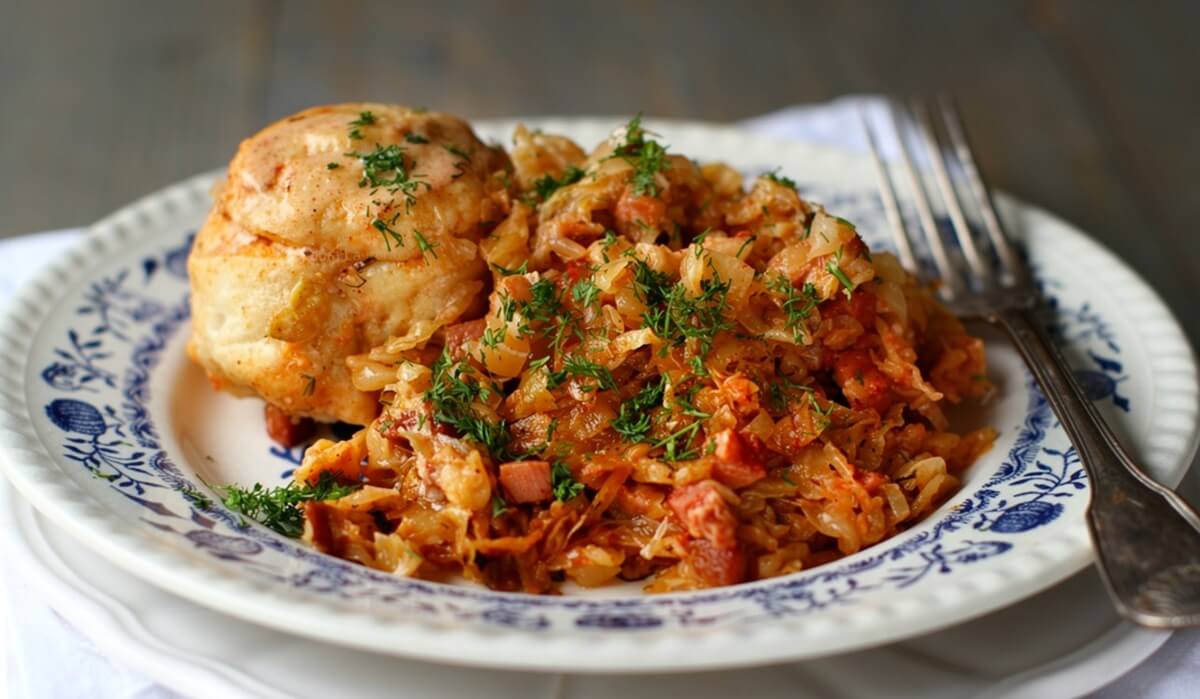
Cabbages are usually stewed, baked or stuffed, often accompanied by meat (usually slow-roasted ham hock or grilled pork chop). However, at Lent and during the warm season, cabbage is sautéed with fresh tomatoes, peppers, dill and a splash of borș or stuffed with rice or mushrooms. Fresh cabbage and sauerkraut are also a popular pies and flatbreads filling. Cabbage leaves (fresh or pickled) are used to prepare one of the most populat holiday dishes: sarmale cabbage rolls - stuffed with minced pork and rice or just rice or mushrooms, at lent. and served with polenta, sour cream and a pickled chilli.
Banat seasonal foods and traditional dishes, throughout the year
| Banat region seasonal foods and traditional dishes, throughout the year | ||
|---|---|---|
| Seasonal dish | Traditional/Popular dish | |
| January | Bean and spicy sausage soup | |
| February | Liver soup Cabbage w dumplings | |
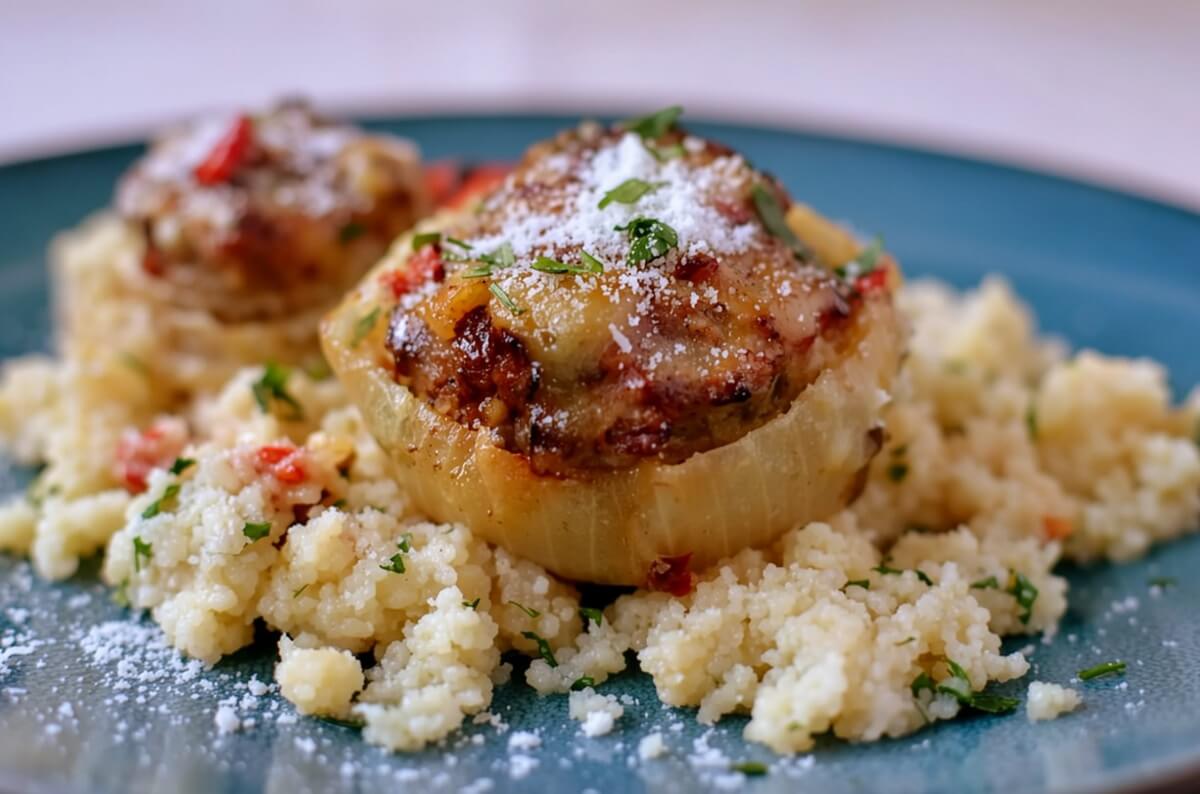
| March | Stuffed onion | |
| April | Creamed early wild greens | |
| May | Wild garlic soup | |
| June | Iofca | |
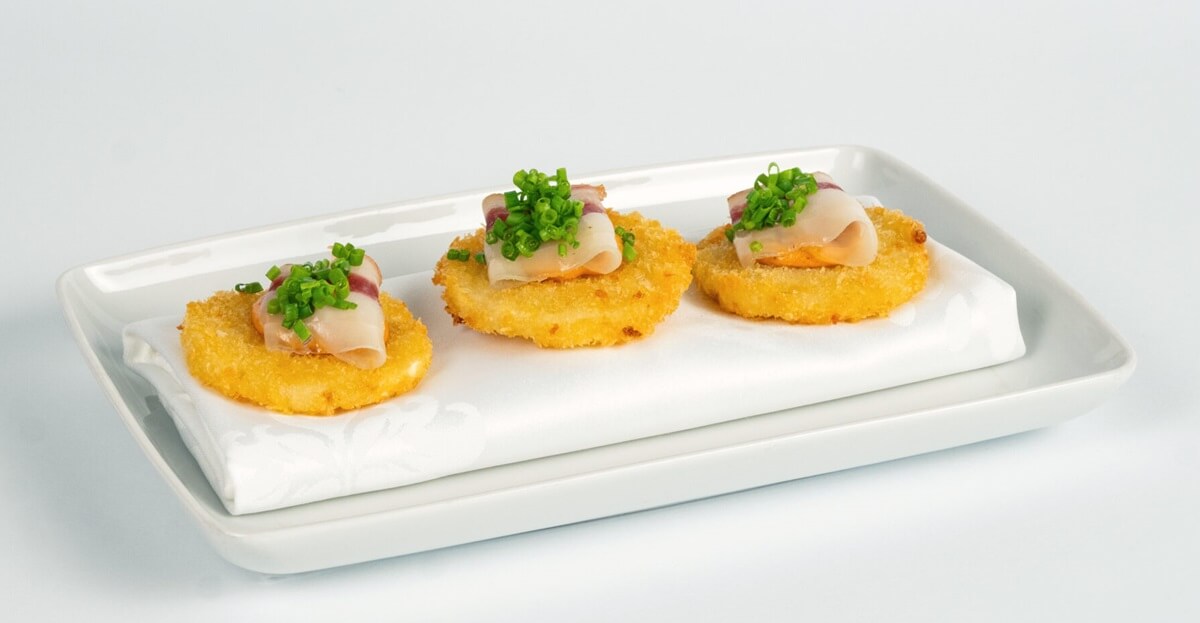
| July | Proia corn bread appetizer | |
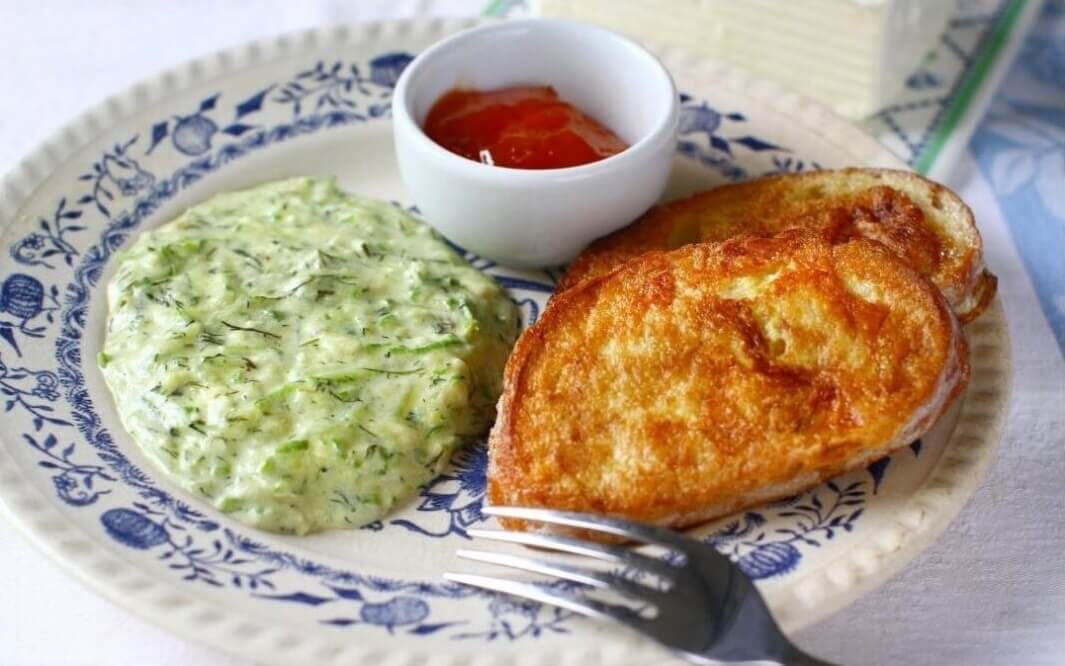
| August | Tuspais - stewed zucchini / cabbage turnip w sourcream sauce | |
| September | Fried chicken with velvety tomato sauce | |
| October | Pumpkin soup | |
| November | Hen soup Cabbage galette / pie | |
| December | Beigli | |